
















The Best Sustainable Christmas Tree for 2025: Real vs Artificial Guide

In This Article
The sustainable Christmas tree debate reaches new heights in 2025. More families want eco Christmas options that match their values. The choice between real and artificial trees gets complex when you consider carbon footprints, manufacturing impacts, and disposal methods.
This guide explores your options. We’ll cover real evergreens, artificial alternatives, potted trees, and emerging rental services. You’ll discover which choice aligns with your sustainability goals for 2025.
Real Christmas Trees: The Natural Sustainable Christmas Tree Choice
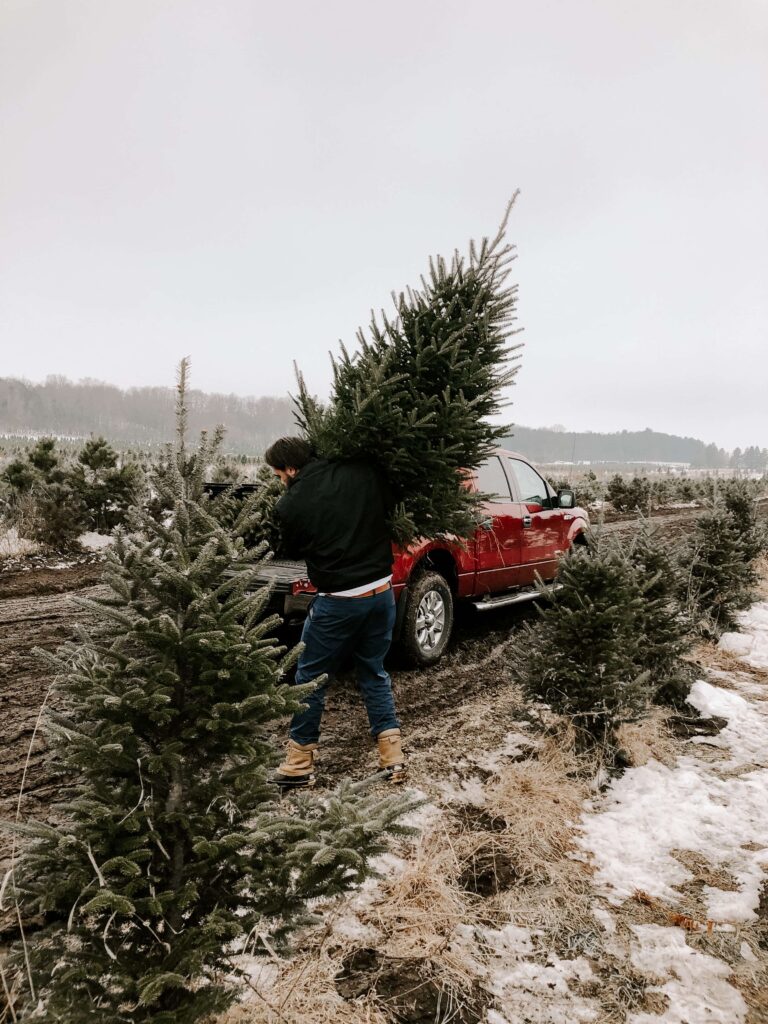
Real Christmas trees offer several environmental benefits. These evergreens grow on dedicated tree farms where they absorb carbon dioxide for 6-12 years before harvest. Christmas tree farms plant 1-3 seedlings for every tree harvested. This cycle supports rural economies and creates wildlife habitat.
The National Christmas Tree Association reports that 25-30 million real Christmas trees are sold annually in the United States. Most come from sustainable farms, not wild forests. Fraser firs, Noble firs, and Douglas firs rank as top sustainable varieties.
Environmental Benefits:
- Absorb CO₂ during 6-12 year growth cycle
- Support biodiversity on tree farms
- Create rural jobs and economies
- Fully compostable after holidays
Environmental Drawbacks:
- Transportation emissions (average 500 miles)
- Pesticide use on some farms
- Water consumption during growth
- Short single-use lifespan
Sustainable Christmas Tree Tips for 2025
Buy local when possible. Search for organic tree farms within 50 miles of your home. The Real Christmas Tree Board offers a farm locator tool. Many farms now use integrated pest management, reducing chemical inputs by 70%.
Choose fresh trees with green needles and flexible branches. Store your tree in water and keep it away from heat sources. A well-maintained tree poses minimal fire risk.
After the holidays, compost your tree or use municipal recycling programs. Over 4,000 local Christmas tree recycling programs operate across the U.S., according to the National Christmas Tree Association. Some programs turn old trees into mulch for parks and gardens.
Artificial Christmas Trees: The Reusable Sustainable Christmas Tree Option
Artificial trees dominate the market. More than 23 million artificial trees are purchased each holiday season in the U.S., with 80% of all Christmas trees displayed in the country being artificial. According to more recent data, 47% of households display artificial trees while only 24% use real trees. Most artificial trees come from overseas factories and contain PVC plastic, steel, and aluminum.
Environmental Benefits:
- Reusable for 10-20 years
- No annual transportation needs
- No pesticides or water consumption
- Consistent appearance year after year
Environmental Drawbacks:
- High initial carbon footprint from manufacturing
- Made from non-renewable petroleum products
- Long-distance shipping from overseas
- End up in landfills (not recyclable)
The 5-Year Rule
University of Sheffield research shows artificial trees must be used at least 5 years to offset their carbon footprint compared to real trees. Trees used 10+ years become more environmentally friendly than annual real tree purchases.
Buy quality artificial trees designed to last decades. Inspect branches, lights, and hinges before purchase. Store carefully in original boxes or storage bags. Proper care extends tree life to 20+ years.

Potted Christmas Trees: The Living Alternative
Potted Christmas trees represent the most sustainable option for many families. These living trees arrive in containers with intact root systems. After the holidays, you can plant them outdoors or keep them as houseplants.
Best Potted Tree Varieties:
- Norfolk Island Pine (indoor/outdoor)
- Rosemary plants (culinary use after)
- Small spruces and firs (cold climates)
- Dwarf conifers (container-friendly)
Potted trees work best indoors for 7-10 days maximum. Keep soil moist but not soggy. Place near natural light but away from heating vents. Gradual temperature changes help trees adapt.
Research your climate zone before buying. Not all species survive outdoor planting in every region. Contact local extension offices for planting advice.

Christmas Tree Rentals: The Circular Economy Choice
Tree rental services operate in many metropolitan areas, offering an emerging sustainable option. Companies deliver potted trees in December and collect them in January. Trees return to nurseries where they continue growing.
How Tree Rentals Work:
- Order online 2-4 weeks before Christmas
- Tree arrives in decorative pot
- Enjoy for 2-3 weeks maximum
- Schedule pickup after New Year
- Tree returns to nursery for ongoing care
Rental costs range from $75-150 depending on tree size and location. Services operate in most metropolitan areas. London Christmas Tree Rental pioneered this model in 2018 with their #adoptdontchop motto.
This circular approach reduces waste and supports tree longevity. Rental trees absorb carbon for many years instead of one season.

Eco Christmas Decorating Trends for 2025
Sustainable decorating extends beyond tree selection. The 2025 trends emphasize natural materials, LED lighting, and reusable ornaments.
Natural Material Decorations
Paper ornaments made from recycled content lead 2025 trends. Honeycomb decorations, origami stars, and paper snowflakes create texture without plastic waste. Felt ornaments from wool scraps offer durability and charm.
Wood ornaments crafted from sustainable sources gain popularity. Look for FSC-certified wood products. Painted pinecones, dried orange slices, and cinnamon stick bundles add natural fragrance.
Energy-Efficient Lighting
LED Christmas lights use 75% less energy than incandescent bulbs, according to the Department of Energy. They last 25 times longer and produce less heat. Solar-powered outdoor lights eliminate electricity usage entirely.
Smart LED systems let you control brightness, colors, and timing through apps. Some systems sync with music or respond to voice commands. Energy Star certified lights offer the best efficiency ratings.
Sustainable Gift Wrapping
Reusable fabric wraps reduce paper waste. Furoshiki (Japanese wrapping cloth) creates beautiful presentations. Old maps, newspapers, and children’s artwork make unique wrapping materials.
Paper bags and gift boxes withstand multiple uses. Natural twine and raffia replace synthetic ribbons. Dried flowers and herbs add decorative touches that compost after use.
Making Your Choice: 2025 Decision Framework
Your best sustainable Christmas tree depends on personal factors and values. Each sustainable Christmas tree option offers different environmental benefits and practical considerations.
For Real Trees:
- Can you buy locally (within 100 miles)?
- Will you compost or recycle after holidays?
- Do you prefer natural fragrance and appearance?
- Are you comfortable with single-use items?
For Artificial Trees:
- Will you use the tree for 5+ years minimum?
- Do you have proper storage space?
- Do you prioritize convenience over authenticity?
- Are you buying a high-quality, durable option?
For Potted Trees:
- Can you plant outdoors in your climate?
- Will you maintain the tree year-round?
- Do you have space for a living tree?
- Can you limit indoor time to 7-10 days?
For Rentals:
- Is service available in your area?
- Does the cost fit your budget?
- Do you want zero maintenance after holidays?
- Will you book early for December delivery?
Carbon Footprint Comparison: 2025 Data
Recent University of Sheffield research and other studies provide clearer carbon footprint data for different tree options:
Real Tree (6-foot Fraser Fir):
- Growing phase: Carbon absorbed during growth
- Transportation: Variable based on distance
- Disposal (composted): Minimal additional impact
- Net impact: 3.5-16 kg CO₂ depending on disposal method
Artificial Tree (6-foot PVC):
- Manufacturing: High carbon footprint
- Shipping from China: Additional emissions
- Total footprint: 40 kg CO₂
- Per year over 10 years: 4 kg CO₂ annually
Dr. Stuart Walker from the University of Sheffield notes that “real trees are often the most sustainable choice, but only if disposed of thoughtfully.” Burning trees releases carbon rapidly, while composting allows slower release and partial soil absorption.
Potted trees offer the best environmental benefits when successfully replanted. Real trees provide neutral or slightly positive impacts with proper disposal. Artificial trees require long-term use to offset manufacturing emissions.
DIY Sustainable Tree Alternatives
Creative families explore alternatives to traditional trees. These options reduce environmental impact while maintaining festive spirit.
Recycled Material Trees
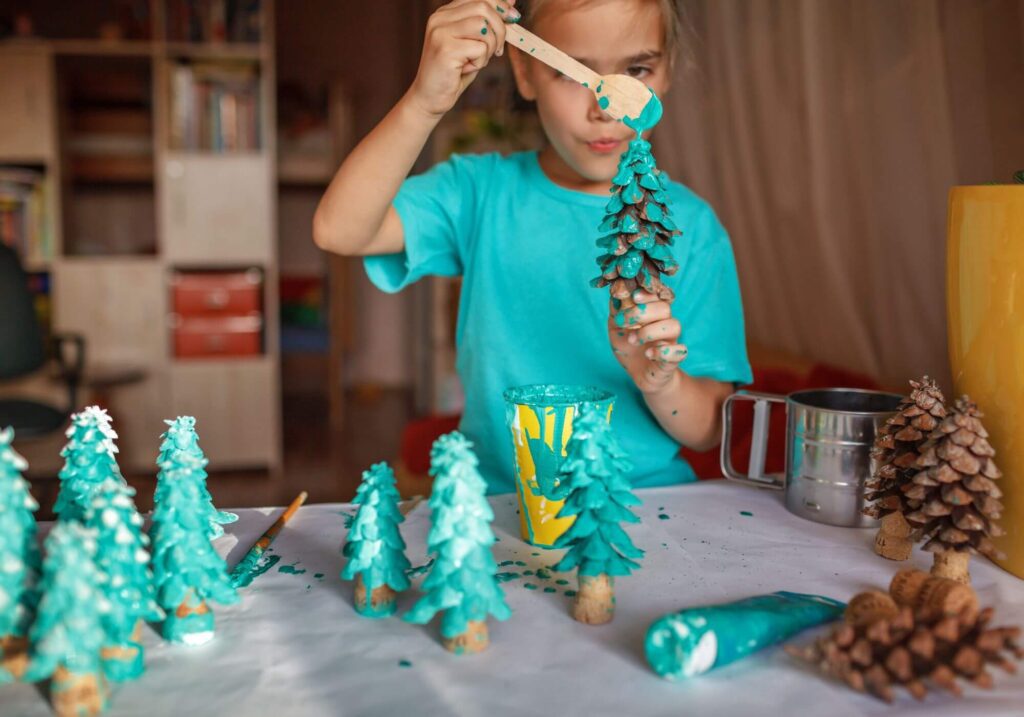
Cardboard trees from shipping boxes create temporary displays. Cut tree shapes from large cardboard pieces and decorate with water-based paints. After holidays, recycle materials through municipal programs.
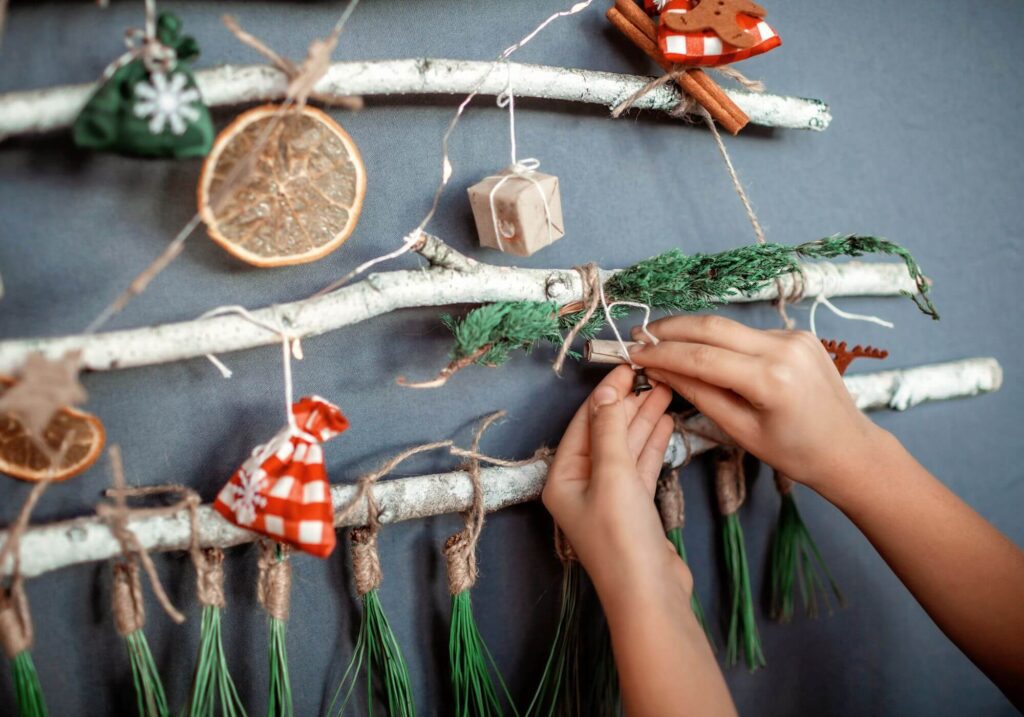
Driftwood trees combine beachcombing with holiday decorating. Arrange different-sized pieces into tree shapes and mount on walls. Add string lights and small ornaments for festive appeal.
Living Wall Trees
Create tree shapes using living plants on walls or stands. Succulents, air plants, and small ferns arrange into triangular patterns. These displays continue growing after holidays and improve indoor air quality.
Herb gardens shaped like trees provide culinary benefits. Arrange potted rosemary, thyme, and sage into tree forms. Harvest herbs for holiday cooking and maintain plants year-round.
Edible Christmas Trees
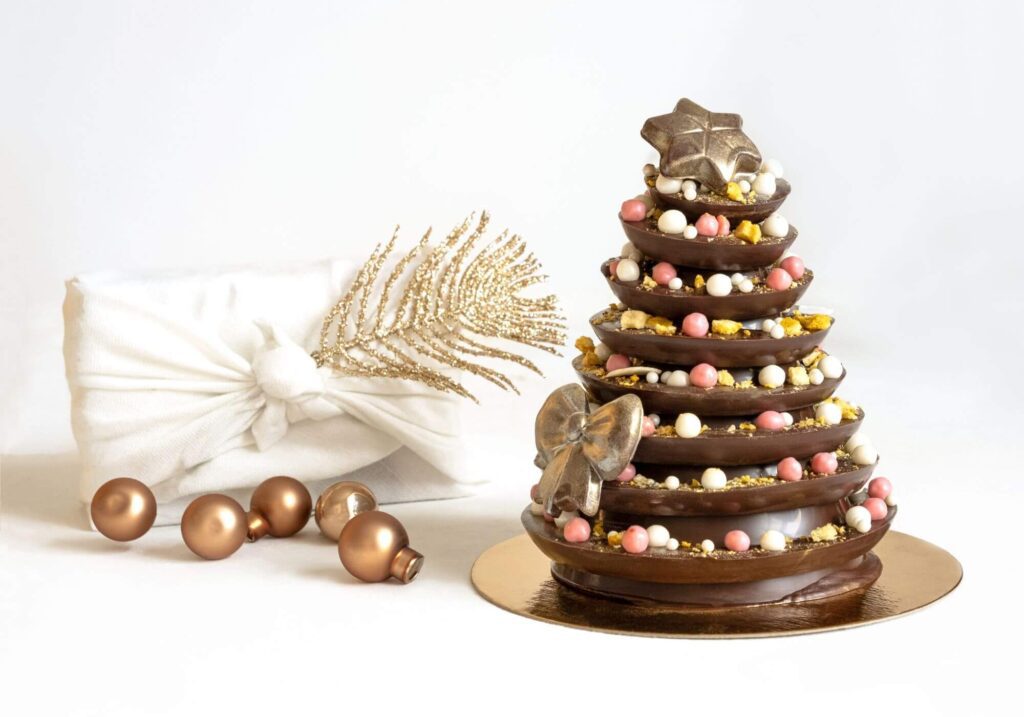
Merge sustainability with culinary creativity by opting for an edible, sustainable Christmas tree. Decorate a potted herb or fruit tree with edible ornaments, making it a delightful and eco-conscious centerpiece. After the festivities, enjoy the fruits or herbs in your culinary endeavors or plant the potted tree for ongoing sustainability.
Light Sculpture Trees
LED strips arranged in tree shapes replace traditional foliage. These modern displays use minimal energy and create stunning visual effects. Smart LED systems offer color-changing and animated options.
Copper wire with battery-powered LEDs creates delicate tree outlines. These sculptures store compactly and reuse for many years. Choose warm white LEDs for classic appeal or multicolor for playful effects.

Accept these green options for traditional Christmas trees to improve your holiday celebrations, reduce trash, and help the environment. Every decision upholds sustainable living tenets while adding a certain charm. Explore these creative and eco-friendly solutions to create a genuinely memorable and sustainable holiday season. Let your imagination go wild.
Shopping Guide: Where to Find Sustainable Options
Local Tree Farms
Search the National Christmas Tree Association tree locator for nearby farms. Many farms offer organic certification, u-cut options, and educational visits. Call ahead to confirm sustainable practices and tree freshness.
Artificial Tree Retailers
Buy high-quality artificial trees from established retailers. Home improvement stores, department stores, and online retailers offer various options. Read reviews and check warranty information before purchasing.
Look for trees made from recycled materials or those with envronmental certifications. Some manufacturers use recycled PVC or bio-based plastics for reduced environmental impact.
Potted Tree Sources
Garden centers and nurseries stock potted Christmas trees from November through December. Online retailers ship potted trees nationwide with care instructions. Choose suppliers that guarantee tree health and provide planting guidance.
Rental Services
Search “Christmas tree rental” plus your city name for local options. Services like London Christmas Tree Rental operate in major cities. Book early as popular services fill up by Thanksgiving.
Sustainable Christmas Tree Care
Proper sustainable Christmas tree care extends tree life and reduces waste. Follow these tips for any sustainable Christmas tree type:
Real Trees:
- Make fresh cut on trunk before placing in water
- Check water daily and refill as needed
- Keep away from heat sources and direct sunlight
- Remove from home when needles drop excessively
Artificial Trees:
- Inspect branches and lights before first use
- Store in original boxes or protective covers
- Clean gently with damp cloth or vacuum
- Replace individual bulbs rather than entire light strings
Potted Trees:
- Water when soil feels dry one inch down
- Rotate weekly for even light exposure
- Mist foliage in dry indoor environments
- Transition gradually to outdoor temperatures
End-of-Season Disposal and Storage
Responsible disposal completes the sustainable tree cycle.
Real Tree Disposal
Contact your city about Christmas tree recycling programs. Many cities offer curbside pickup during January. Some programs create mulch for public spaces or use trees for erosion control.
Compost small trees in backyard systems. Chip branches and trunk into small pieces for faster decomposition. Remove all decorations, lights, and tinsel before composting.
Artificial Tree Storage
Clean trees thoroughly before storage. Remove dust, pet hair, and debris with vacuum attachments. Disassemble carefully following manufacturer instructions.
Store in original boxes when possible. Plastic storage containers protect from moisture and pests. Label boxes clearly and store in climate-controlled areas when possible.
Potted Tree Transition
Move potted trees gradually to outdoor conditions. Place in protected areas for 1-2 weeks before final planting. Water regularly during transition period.
Choose planting locations based on mature tree size and growing conditions. Contact local extension offices for soil testing and planting advice.
The Future of Sustainable Christmas Trees
Innovation drives new sustainable options for holiday celebrations. Lab-grown wood products may create future artificial trees with lower environmental impacts. Vertical farms could produce local Christmas trees year-round in controlled environments.
Smart tree technology integrates lighting, watering, and monitoring systems. Some concepts include self-watering artificial trees and real trees with embedded sensors for optimal care.
Community tree sharing programs let neighborhoods rotate decorated trees between households. These systems reduce individual tree needs while maintaining traditions.
Making Your Sustainable Christmas Tree Choice: 2025 Decision Framework
The most sustainable Christmas tree for 2025 depends on your specific situation. Consider your local options, storage capabilities, and long-term commitment to reuse.
Real trees work best when bought locally and composted properly. They offer authentic fragrance and appearance with minimal environmental impact when disposed of responsibly.
Artificial trees suit families committed to long-term reuse. Quality trees lasting 10+ years offset manufacturing impacts and provide consistent holiday displays.
Potted trees offer the best environmental benefits for families able to replant successfully. They continue absorbing carbon for decades after the holiday season.
Rental services provide convenience and sustainability for urban dwellers without storage space or planting options.
When choosing your sustainable Christmas tree, focus on quality over quantity… One well-maintained tree serves better than frequent replacements. Your sustainable Christmas tree choice supports both holiday traditions and environmental responsibility.
Remember that small changes create meaningful impacts. Your tree selection influences friends and family to consider sustainable options. Together, these individual choices drive broader adoption of eco Christmas practices.
Make 2025 the year your holiday traditions align with your environmental values. Your sustainble Christmas tree choice proves that celebration and conservation work beautifully together. The right sustainable Christmas tree transforms your home while protecting our planet for future generations.