


















How to Start Zero Waste Living in Small Apartment 2025
In This Article
How to start zero waste living in small apartment 2025 might seem impossible when your tiny kitchen counter overflows with takeout containers. The trash bin fills up twice a week. You want to live more sustainably, but your 600-square-foot apartment feels like a prison for your eco-friendly dreams.
You’re not alone wondering how to start zero waste living in small apartment 2025. Census data shows that 37% of Americans live in apartments or condos, and the average apartment dweller generates 4.5 pounds of waste daily. Research reveals that 80% of renters feel overwhelmed when starting sustainability practices in small spaces.
Here’s the truth about how to start zero waste living in small apartment 2025: Small apartments can become zero-waste powerhouses. I’ll show you six proven strategies that work in spaces under 800 square feet, transforming your compact home into an eco-friendly sanctuary without breaking your lease or your budget.
How to Start Zero Waste Living in Small Apartment 2025: Shift Your Mindset First
Stop chasing perfection. The “zero waste” label intimidates most people into inaction. Your goal isn’t to eliminate every piece of trash—it’s to dramatically reduce what you send to landfills.
Apply the 80/20 rule to your waste reduction journey. Focus on the 20% of changes that eliminate 80% of your waste. Swapping disposable water bottles for a reusable one prevents roughly 156 plastic bottles from entering the waste stream annually. That single change beats using bamboo toothbrushes for environmental impact.
Audit your waste before eliminating it. Spend one week collecting all your trash in clear bags. Sort items by category: food waste, packaging, paper, and miscellaneous. This visual inventory reveals your biggest waste sources and guides your priority swaps.
Living in a rental doesn’t excuse inaction. Temporary housing situations often create the most innovative solutions. You’ll develop portable habits that move with you to future homes.
Progress beats perfection every time when learning how to start zero waste living in small apartment 2025. Starting small in your apartment teaches sustainable systems you can expand later.
Small Apartment Zero Waste Kitchen: The Command Center

Your kitchen generates the most household waste, but it offers the biggest wins for apartment dwellers.
Zero Waste Living in Small Apartment 2025: Composting Without a Backyard
When mastering how to start zero waste living in small apartment 2025, indoor composting works in the smallest kitchens. Bokashi composting ferments food scraps in airtight containers, eliminating odors and fruit flies. The system fits under most sinks and processes two weeks of food waste in a 3-gallon bucket.
Place a small countertop container near your prep area for daily scraps. Empty it into your main bokashi bucket every few days. The fermented waste becomes nutrient-rich soil amendment in 10-14 days.
Can’t commit to bokashi? Freeze food scraps in old yogurt containers. Many cities accept frozen compost at farmers markets or community gardens. Call your local waste management department—some offer free compost pickup programs for apartment buildings.
Smart Bulk Buying for Small Spaces
Bulk buying reduces packaging waste, but requires strategic storage. Focus on shelf-stable items you use weekly: rice, oats, nuts, and spices.
Invest in airtight glass containers that stack efficiently. Mason jars work for small quantities, while larger canisters handle bulk grains. Label everything with purchase dates to track freshness.
Calculate your monthly usage before buying bulk. A family of two uses roughly 2 pounds of rice monthly. Buying 5 pounds prevents overbuying and food waste.
Partner with neighbors for bulk purchases. Split large quantities of items like cleaning supplies or dry goods. You’ll reduce packaging waste and storage demands.
Plastic-Free Food Storage Solutions
Replace disposable bags and containers with reusable alternatives. Silicone bags work for freezing and marinating. Beeswax wraps cover bowls and wrap sandwiches. Glass containers store leftovers safely.
Start with three essential swaps: reusable produce bags, glass food storage containers, and silicone stretch lids. These items replace 90% of single-use kitchen plastics for most households.
Buy quality items once rather than cheap alternatives repeatedly. A $15 set of silicone bags lasts five years, replacing hundreds of disposable bags.
Bathroom: Personal Care Without Packaging
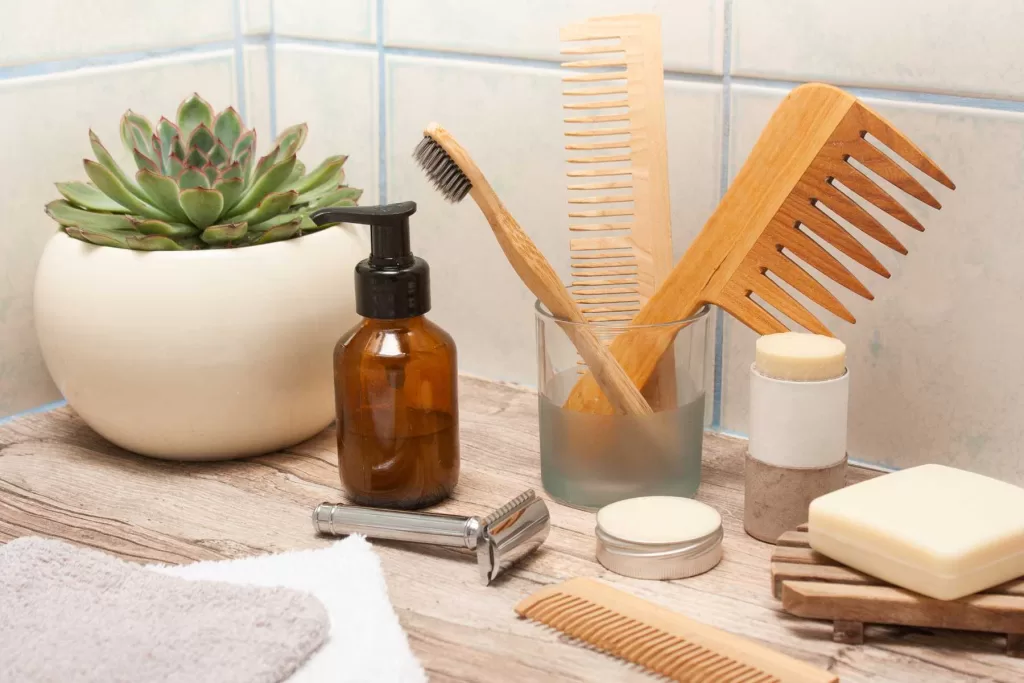
Learning how to start zero waste living in small apartment 2025 includes mastering bathroom products that create mountains of plastic waste. Small changes here deliver visible results quickly.
Solid Personal Care Products
Shampoo bars replace liquid bottles and last 2-3 times longer. Store bars in soap dishes with drainage to prevent mushiness. Most bars work for 80-100 washes, compared to 25-30 from liquid bottles.
Toothpaste tablets eliminate plastic tubes. Chew one tablet, brush with a wet toothbrush, and rinse normally. A glass jar of 180 tablets lasts three months and creates zero packaging waste.
Solid deodorant bars come in compostable packaging. They last longer than stick deodorants and often use simpler ingredient lists.
DIY Personal Care for Small Batches
Make small batches of products to avoid waste and storage issues. A basic toothpaste recipe uses three ingredients: baking soda, coconut oil, and peppermint oil. Mix 1 tablespoon of each for a two-week supply.
Create face scrubs from coffee grounds and honey. The mixture exfoliates gently and uses kitchen scraps. Store homemade products in small glass jars with tight lids.
Start with one DIY product. Master the recipe and routine before adding more homemade items.
Menstrual Products That Last
Menstrual cups replace tampons and pads for 5-10 years. The initial investment costs $20-40 but eliminates monthly purchases and waste. Cups work for heavy flows and active lifestyles.
Reusable pads offer comfort for those avoiding insertable products. Organic cotton pads wash easily and last several years with proper care.
Calculate your savings: the average person spends $2,000-$5,000 on disposable menstrual products over their lifetime. Reusable options cost under $100 total.
Zero Waste Living Areas: How to Start in Small Apartment 2025
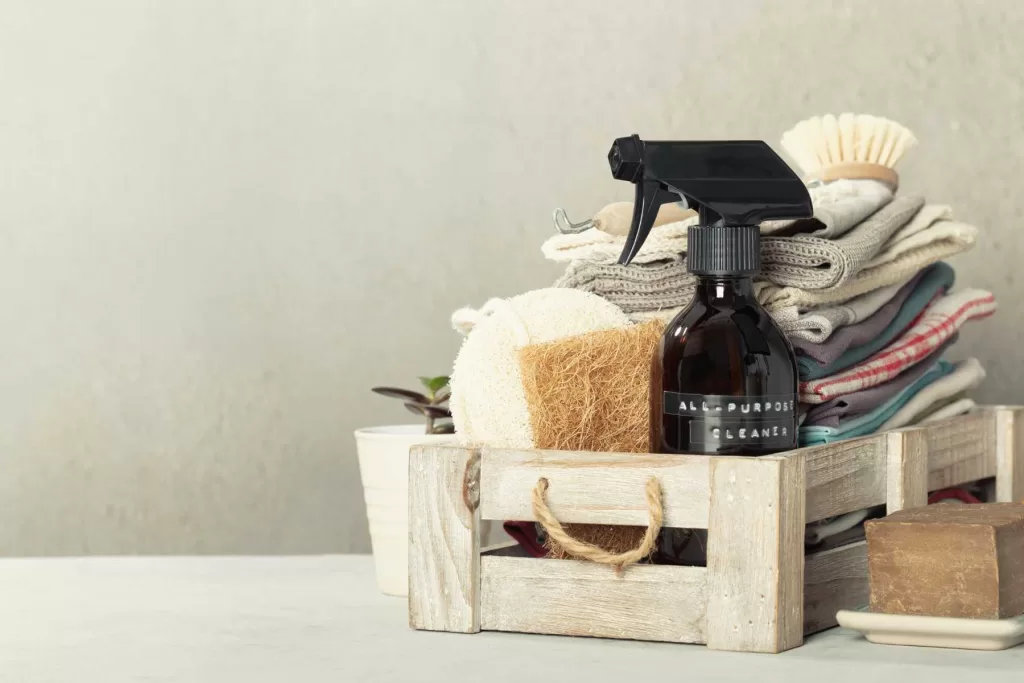
When figuring out how to start zero waste living in small apartment 2025, living spaces offer opportunities for digital minimalism and conscious consumption.
Entertainment Without Waste
Host zero waste movie nights using reusable dishes and homemade snacks. Pop corn kernels in a covered pot instead of buying microwave bags. Serve drinks in glasses rather than disposable cups.
Borrow books from libraries instead of buying new copies. Most libraries offer digital rentals for e-readers and tablets. Reserve new releases online to avoid transportation waste.
Choose digital subscriptions over physical media when possible. Streaming services eliminate packaging and shipping emissions for most content.
Cleaning Without Chemicals or Containers
Three ingredients clean most apartment surfaces: white vinegar, baking soda, and castile soap. Mix vinegar and water in equal parts for an all-purpose cleaner. Sprinkle baking soda on surfaces before scrubbing. Use castile soap for dishes and laundry.
Microfiber cloths replace paper towels for most cleaning tasks. Designate specific colors for different areas: blue for bathrooms, yellow for kitchens, white for dusting. Wash cloths after each use to prevent bacteria buildup.
Buy cleaning ingredients in large containers to reduce packaging. Refill smaller spray bottles as needed. Many health food stores offer bulk cleaning supplies with bring-your-own-container policies.
Gift-Giving Strategies
Experience gifts eliminate packaging waste and storage issues. Concert tickets, cooking classes, or museum memberships create memories without physical clutter.
When giving physical items, choose quality pieces that last decades. Wrap gifts in reusable materials like fabric bags, newspaper, or old maps.
Establish family gift exchanges to reduce overall consumption. Secret Santa systems or “one gift per person” rules prevent overbuying.
Shopping and Sourcing Like a Pro
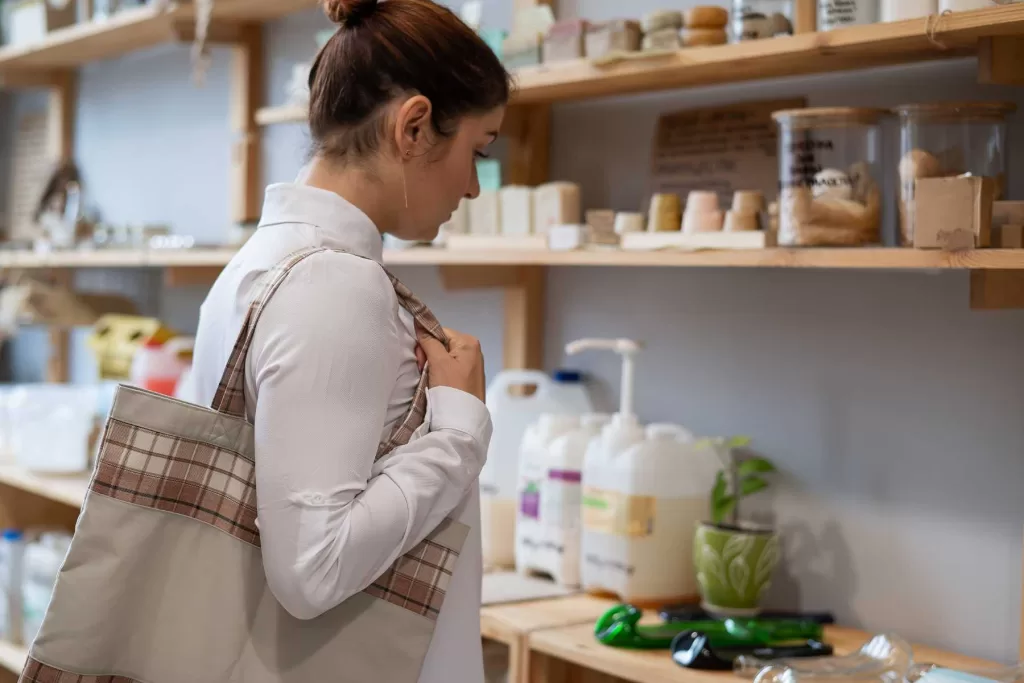
Strategic shopping prevents waste before it enters your apartment when learning how to start zero waste living in small apartment 2025.
Building Vendor Relationships
Introduce yourself to staff at farmers markets and local shops. Explain your zero waste goals and ask about container policies. Most vendors appreciate customers who bring reusable bags and containers.
Start conversations with phrases like: “I’m trying to reduce packaging waste. Can I bring my own container for this item?” Most shops accommodate reasonable requests, especially for regular customers.
Bring various container sizes to markets: small bags for nuts and spices, medium containers for grains, and large bags for produce. Clean containers thoroughly before shopping to maintain food safety standards.
Online vs. Local Sourcing Strategy
Choose local sources for fresh items and heavy products to reduce shipping emissions. Buy shelf-stable items online in bulk to minimize packaging per unit.
Research company packaging policies before ordering. Some brands use compostable mailers and minimal packaging. Others ship single items in oversized boxes with excessive padding.
Consolidate online orders to reduce delivery frequency. Many retailers offer free shipping thresholds that encourage larger, less frequent orders.
Join buying clubs or community-supported agriculture programs. These options often provide bulk quantities with reduced packaging and local sourcing.
Seasonal Shopping Success
Plan purchases around seasonal availability. Summer farmers markets offer abundant fresh produce at lower prices. Winter months favor preserved and stored items.
Preserve seasonal abundance for year-round use. Freeze berries in summer for winter smoothies. Dehydrate herb gardens before frost kills plants.
Stock up on non-perishables during sales, but calculate actual needs first. Buying 12 months of supplies makes sense for items you use daily, but creates waste for occasional-use products.
Track Your Progress Without Overwhelm
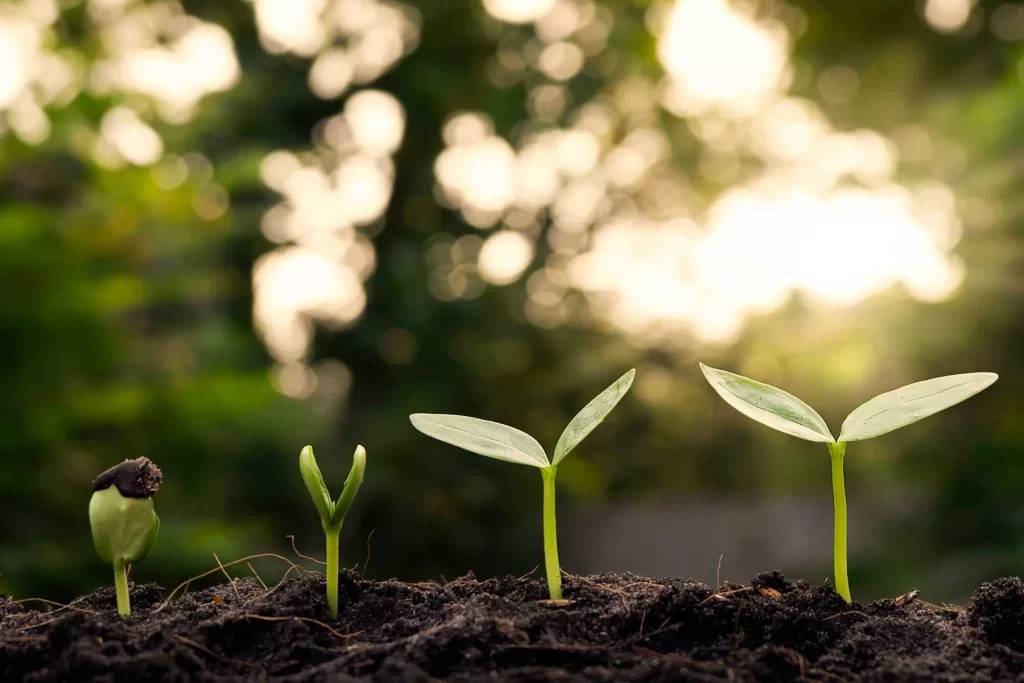
Measuring progress motivates continued effort and identifies areas for improvement.
Simple Documentation Methods
Take monthly photos of your waste output. Lay out one week’s worth of non-compostable trash on a table and photograph it. Compare images over time to visualize your reduction progress.
Keep a simple tally sheet on your refrigerator. Mark each disposable item you avoid using: takeout containers, plastic bags, paper towels. Small wins add up to significant changes.
Track spending on reusable alternatives versus disposable items. Calculate monthly savings from reduced trash bags, cleaning supplies, and packaged foods.
Monthly Check-In Templates
Review three questions monthly:
- What disposable item did I use most this month?
- Which zero waste swap saved the most money?
- What single change would eliminate the most waste next month?
Set one specific goal for the following month. “Use fewer paper towels” is vague. “Replace paper towels with cloth rags for kitchen cleanup” is actionable.
Celebrate progress over perfection. Reducing household waste by 50% beats achieving zero waste for one week then giving up.
Community Building for Accountability
Join local zero waste groups on social media platforms. Share successes and ask questions about specific challenges. Most groups welcome beginners and offer practical advice.
Find an accountability partner with similar goals. Check in weekly about progress and challenges. Share bulk buying opportunities and vendor recommendations.
Involve roommates or family members gradually. Start with easy changes that benefit everyone, like better food storage or reduced utility bills. Add more intensive practices as others show interest.
Common Apartment Zero Waste Questions
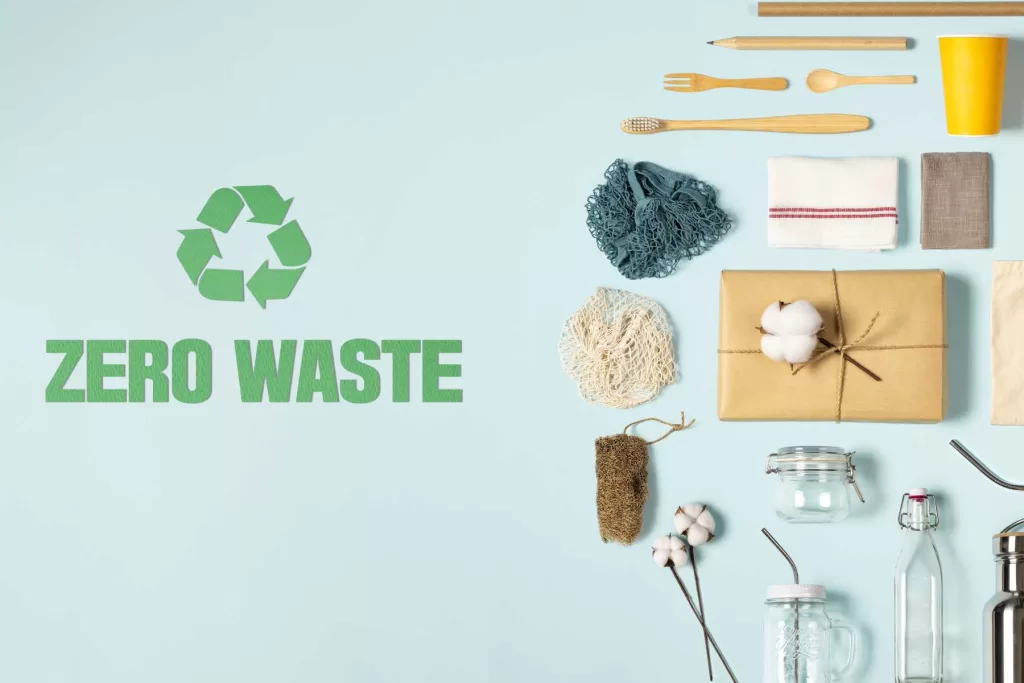
Can you really live zero waste in an apartment? True zero waste is nearly impossible, but apartments can achieve 80-90% waste reduction through strategic changes. The key to how to start zero waste living in small apartment 2025 is focusing on the biggest wins first: food waste reduction, reusable containers, and conscious consumption.
What’s the first step in how to start zero waste living in small apartment 2025? Audit your current waste for one week. Sort everything by category to identify your biggest waste sources. Start with changes that eliminate the most volume, like reusable water bottles or cloth shopping bags.
How much does it cost to start zero waste living? Initial investments range from $100-300 for basic supplies: glass containers, reusable bags, cleaning ingredients, and personal care items. Most investments pay for themselves within 6-12 months through reduced purchasing.
Do landlords allow composting in apartments? Indoor composting methods like bokashi don’t violate typical lease agreements. They contain odors and don’t attract pests when managed properly. Check with building management about compost pickup programs—many cities offer apartment-friendly options.
What if my roommate doesn’t want to go zero waste? Start with changes that benefit everyone: better food storage, reduced utility bills, and bulk buying for shared items. Lead by example rather than pushing changes on others. Many roommates join gradually when they see benefits.
Your 30-Day Zero Waste Apartment Challenge
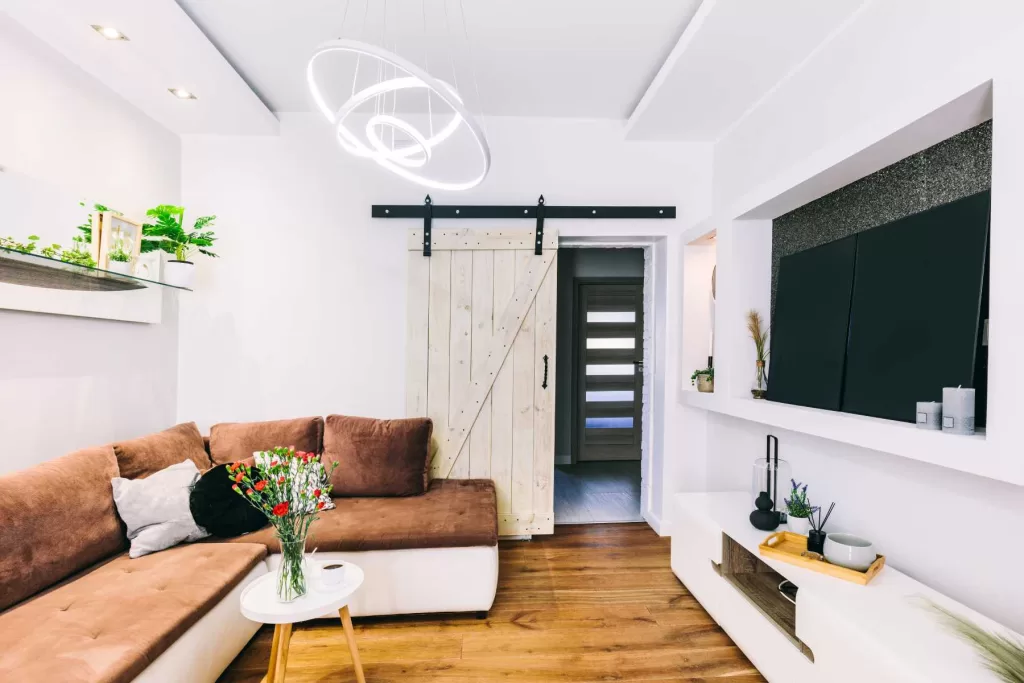
Transform your space with this month-long progression:
Week 1: Foundation Building
- Conduct waste audit
- Purchase reusable water bottle and shopping bags
- Start collecting food scraps for composting
- Replace paper towels with cloth rags in kitchen
Week 2: Kitchen Mastery
- Set up indoor composting system
- Buy glass food storage containers
- Shop at farmers market with reusable bags
- Make first batch of DIY cleaning supplies
Week 3: Personal Care Transition
- Switch to shampoo bars and solid deodorant
- Try homemade toothpaste recipe
- Replace disposable razors with safety razor
- Install low-flow showerhead for water conservation
Week 4: Living Space Optimization
- Organize bulk storage systems
- Establish gift-wrapping supply from reusable materials
- Plan entertainment options without disposable items
- Set up tracking system for continued progress
This comprehensive guide on how to start zero waste living in small apartment 2025 shows that small apartments can become sustainability showcases with thoughtful planning and gradual implementation. Your space limitations force creative solutions that often work better than traditional approaches.
Start with one room this week. Pick the area that generates the most waste or offers the easiest wins. Build momentum with early successes, then expand your efforts to other spaces.
Understanding how to start zero waste living in small apartment 2025 means recognizing that your apartment size doesn’t determine your environmental impact—your daily choices do. These strategies work in 300-square-foot studios and 1,200-square-foot one-bedrooms alike.
The planet needs apartment dwellers to embrace zero waste living. You’re not too small to make a difference. You’re perfectly positioned to prove that sustainable living works anywhere.